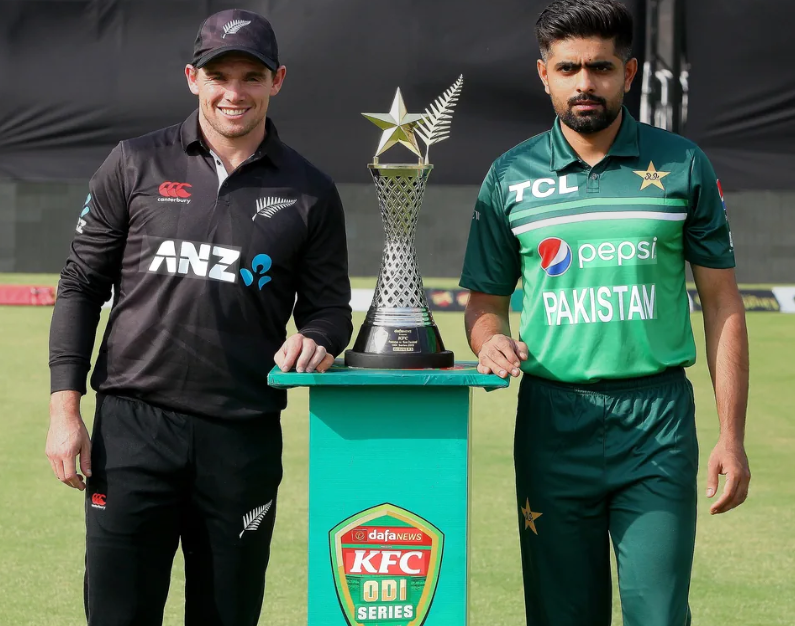
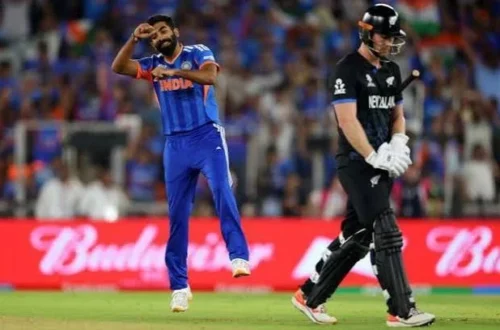
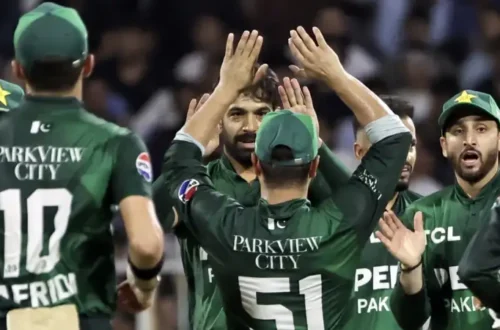
The Pakistan National Cricket Team vs New Zealand National Cricket Team stats reflect a rivalry built on contrast, resilience, and evolving cricket intelligence. From calm early encounters to high pressure ICC clashes, this contest has never followed a predictable script. Pakistan’s natural flair and match winning unpredictability often collide with New Zealand’s disciplined and methodical approach, creating games filled with tension and tactical depth. Scorecards across decades reveal more than just numbers. They tell stories of sudden collapses, heroic recoveries, and defining individual performances. This rivalry has quietly grown into one of cricket’s most respected battles, where every match carries history, pride, and the constant urge to outthink the opponent.
Latest Matches
Date
Format
Venue
Scorecard
Winner
Margin
21 Feb 2026
T20I
Colombo
NZ 0/0 (0) vs PAK 0/0 (0)
No Result
Rain
05 Apr 2025
ODI
Mt Maunganui
NZ 264/8 (42) vs PAK 221 (40)
New Zealand
43 runs
02 Apr 2025
ODI
Hamilton
NZ 292/8 (50) vs PAK 208 (41.2)
New Zealand
84 runs
29 Mar 2025
ODI
Napier
NZ 344/9 (50) vs PAK 271 (44.1)
New Zealand
73 runs
26 Mar 2025
T20I
Wellington
PAK 128/9 (20) vs NZ 131/2 (10)
New Zealand
8 wickets
23 Mar 2025
T20I
Mt Maunganui
NZ 220/6 (20) vs PAK 105 (16.2)
New Zealand
115 runs
21 Mar 2025
T20I
Auckland
NZ 204 (19.5) vs PAK 207/1 (16)
Pakistan
9 wickets
Head-to-Head Summary Table
Format
Total Played
Pakistan Wins
New Zealand Wins
Tie/No Result
Test Matches
62
25
14
23
ODI Matches
122
61
57
4
T20I Matches
50
24
23
3
ICC World Cups
10
8
2
0
Best Player Analysis Table
Player Name
Team
Role
Impact Rating
Recent Performance
Babar Azam
Pakistan
Batsman
High
Consistent run scorer in ODIs
Kane Williamson
New Zealand
Batsman
High
Technical anchor in Test matches
Shaheen Afridi
Pakistan
Bowler
Very High
Early wickets in T20I powerplays
Glenn Phillips
New Zealand
All-Rounder
High
Explosive middle order hitting
Mohammad Rizwan
Pakistan
Keeper/Batter
High
High strike rate in T20 format
Top Run Scorers All-Time
Player Name
Team
Format
Matches
Total Runs
Javed Miandad
Pakistan
Test/ODI
175
8832
Ross Taylor
New Zealand
All Formats
450
18199
Inzamam-ul-Haq
Pakistan
Test/ODI
495
20541
Stephen Fleming
New Zealand
Test/ODI
395
15313
Mohammad Yousuf
Pakistan
Test/ODI
371
17134
Early Tours That Built Respect but Hid Competitive Fire
The early tours between Pakistan and New Zealand were not filled with loud aggression but carried a quiet intensity that only seasoned cricket observers could feel. In the 1970s and 1980s, both teams were still shaping their cricketing identities, and the scorecards often reflected disciplined cricket rather than explosive dominance. Pakistan relied heavily on natural flair and unpredictable brilliance, while New Zealand focused on structure and patience. Matches were often low scoring, especially in Tests, where bowlers dictated terms and batsmen had to grind for every run. These encounters built a strong mutual respect, as neither side underestimated the other despite differences in style and experience. Scorecards from this era show balanced contests, with neither team establishing long-term dominance. Instead, what developed was a foundation of competitive understanding, where each match added a layer of intensity beneath the calm surface.
Match Year
Format
Winner
Top Performer
Key Stat
1973
Test
Pakistan
Zaheer Abbas
Century Knock
1976
Test
Draw
Richard Hadlee
5 Wickets
1985
ODI
New Zealand
Martin Crowe
Match Winning 80
1988
Test
Pakistan
Imran Khan
All Round Show
The Rise of Tactical Battles in the 1990s
The 1990s transformed the Pakistan vs New Zealand rivalry into a sharper, more tactical contest where every decision carried weight. Limited overs cricket gained prominence, and with it came new strategies around field placements, bowling rotations, and batting tempo. Pakistan brought aggression and unpredictability, often relying on match winning bursts from individual players, while New Zealand leaned into disciplined execution and game awareness. Scorecards began to show tighter margins, reflecting how closely fought these games had become. Captains started playing mind games, bowlers experimented with variations, and batsmen adapted to changing match situations more quickly. The rivalry was no longer just about skill but about reading the game better than the opponent. This era also saw rising stars from both sides shaping outcomes through calculated performances rather than raw talent alone. The balance between attack and control became the defining theme of matches during this period.
Match Year
Format
Winner
Top Performer
Key Stat
1990
ODI
Pakistan
Wasim Akram
4 Wickets
1992
ODI
Pakistan
Inzamam ul Haq
Crucial 60
1994
Test
New Zealand
Danny Morrison
6 Wickets
1997
ODI
New Zealand
Chris Cairns
All Round Impact
1992 World Cup Clash That Added Emotional Weight
The 1992 World Cup clash between Pakistan and New Zealand changed the emotional tone of this rivalry forever. It was no longer just about bilateral respect but about high stakes competition under global pressure. New Zealand entered the match as a dominant force in the tournament, while Pakistan carried the unpredictability that made them dangerous. The scorecard from this encounter tells a story of tension, momentum shifts, and individual brilliance. Pakistan’s chase was filled with calculated aggression, while New Zealand struggled to contain the flow once pressure built. Every run mattered, every wicket shifted the balance, and fans on both sides felt the intensity with each passing over. This match elevated the rivalry into a stage where emotions, expectations, and national pride became deeply intertwined. It marked the beginning of high pressure encounters that would define future meetings.
Match Year
Format
Winner
Top Performer
Key Stat
1992
World Cup
Pakistan
Inzamam ul Haq
Match Turning Knock
1992
World Cup
Pakistan
Wasim Akram
Key Wickets
1992
World Cup
New Zealand
Martin Crowe
Captaincy Impact
1992
World Cup
Pakistan
Team Effort
Successful Chase
Late 1990s to Early 2000s When Rivalry Became Unpredictable
As the rivalry moved into the late 1990s and early 2000s, unpredictability became its defining feature. Matches were no longer easy to predict based on form or conditions, as both teams developed match winners capable of turning games in moments. Pakistan continued to rely on explosive talent, while New Zealand refined their adaptability across formats. Scorecards from this era show sudden collapses, unexpected recoveries, and dramatic finishes that kept fans on edge. The gap between the teams narrowed further, and outcomes often depended on small moments rather than overall dominance. Players from both sides began stepping up under pressure, delivering performances that changed matches instantly. This unpredictability made the rivalry more exciting and competitive, as neither side could afford complacency at any stage.
Match Year
Format
Winner
Top Performer
Key Stat
1999
Test
Pakistan
Shoaib Akhtar
Fast Bowling Spell
2000
ODI
New Zealand
Stephen Fleming
Captain Knock
2001
Test
Draw
Multiple Players
Balanced Contest
2003
ODI
Pakistan
Younis Khan
Match Winning Runs
Pakistan’s Flair vs New Zealand’s Discipline
One of the most fascinating aspects of this rivalry has always been the contrast in playing styles. Pakistan’s flair, built on instinctive cricket and individual brilliance, often clashed with New Zealand’s disciplined and methodical approach. This contrast was clearly visible in scorecards where Pakistan’s explosive phases were balanced by New Zealand’s steady accumulation. Pakistan players often took risks that could either win matches or lead to sudden collapses, while New Zealand focused on minimizing errors and building pressure gradually. This difference in philosophy created a dynamic contest where adaptability became crucial. Matches were often decided by which team imposed its style more effectively on the day. Over time, both teams learned from each other, blending aggression with control, which added further depth to their encounters.
Aspect
Pakistan Style
New Zealand Style
Impact
Result Trend
Batting
Aggressive
Controlled
Momentum Swings
Close Matches
Bowling
Express Pace
Line Length
Pressure Build Up
Low Scores
Fielding
Unpredictable
Sharp
Game Changing Moments
Balanced
Strategy
Instinctive
Planned
Tactical Battles
Even Rivalry
ICC Tournament Battles That Raised the Stakes
ICC tournaments brought a different level of intensity to Pakistan vs New Zealand encounters, where every match carried knockout level pressure even in group stages. These games were no longer just about skill but about handling nerves, expectations, and global attention. Scorecards from ICC events often show high pressure performances, where players either rose to the occasion or struggled under the weight of expectations. Pakistan’s unpredictability often made them dangerous in these tournaments, while New Zealand’s consistency helped them stay competitive in crucial moments. Matches were frequently decided by small margins, with key partnerships or bowling spells making the difference. The rivalry reached new heights in these tournaments, as both teams aimed not just to win but to prove their strength on the world stage.
Tournament Year
Event
Winner
Top Performer
Key Moment
1999
World Cup
Pakistan
Saeed Anwar
Century Knock
2007
World Cup
Pakistan
Team Effort
Dominant Win
2011
World Cup
Pakistan
Shahid Afridi
Key Wickets
2019
World Cup
Pakistan
Babar Azam
Match Winning 100
Conclusion
Looking at the Pakistan National Cricket Team vs New Zealand National Cricket Team stats, one thing becomes clear that this rivalry is shaped by balance rather than dominance. Both teams have enjoyed phases of control, yet neither has managed to completely overpower the other for long. The scorecards highlight close finishes, tactical shifts, and performances that changed matches in moments. As cricket continues to evolve with new formats and strategies, this rivalry remains relevant because of its unpredictability and competitive spirit. It is not just about wins and losses but about how each encounter adds another chapter to a story defined by skill, pressure, and mutual respect.