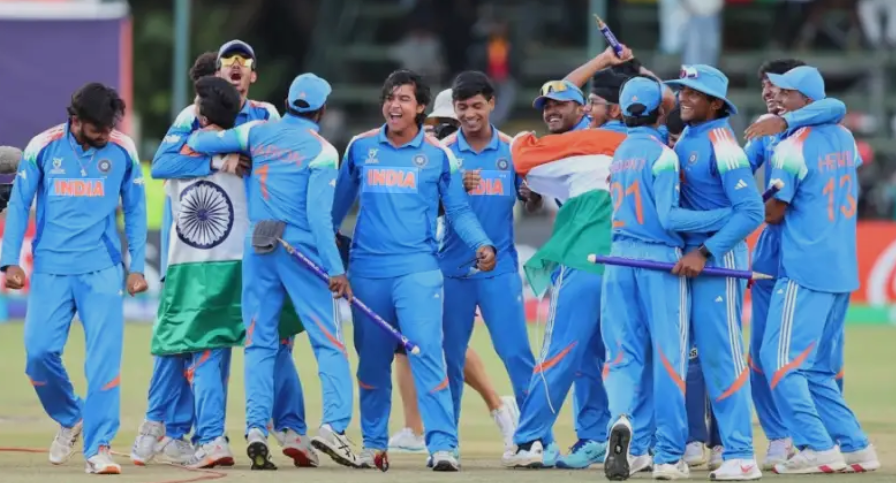
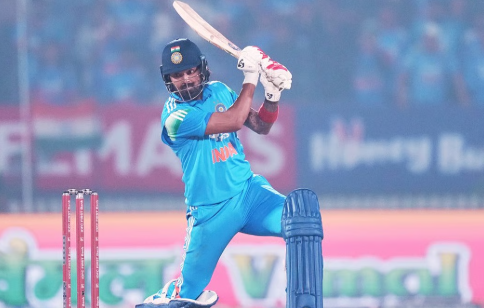
The youth cricket encounters between the two sides have always carried a special intensity that goes beyond age-group competition. From the very first meetings, both teams showcased contrasting styles of play, one built on disciplined structure and the other on natural attacking instincts. These matches became early testing grounds for future international stars, where pressure, adaptability, and skill were constantly examined. Over time, each encounter added new layers to the rivalry, shaping memorable moments, tactical battles, and standout performances. This journey reflects how junior cricket can mirror the passion and competitiveness of the senior stage in international cricket
Latest Matches Table
Date
Tournament / Series
Venue
Winner
Margin
6 February 2026
ICC Under-19 World Cup Final
Harare Sports Club
India U19
100 runs
23 July 2025
Youth Test Series
Chelmsford
Match drawn
N/A
15 July 2025
Youth Test Series
Beckenham
Match drawn
N/A
7 July 2025
Youth ODI Series
Worcester
England U19
7 wickets
5 July 2025
Youth ODI Series
Worcester
India U19
55 runs
2 July 2025
Youth ODI Series
Northampton
India U19
4 wickets
30 June 2025
Youth ODI Series
Northampton
England U19
1 wicket
27 June 2025
Youth ODI Series
Hove
India U19
6 wickets
All-Time Head-to-Head Record Table
Format
Matches Played
India U19 Wins
England U19 Wins
Tied / No Result / Drawn
Youth Test Matches
33
11
6
16
Youth One Day Internationals
52
39
12
1
Total Overall Matches
85
50
18
17
All-Time Batting Leaders Table
Player
Team
Matches
Innings
Total Runs
Highest Score
Average
Vaibhav Suryavanshi
India U19
12
12
684
175
62.18
Shubman Gill
India U19
9
9
522
147
74.57
Alastair Cook
England U19
8
12
493
121
49.30
Yashasvi Jaiswal
India U19
10
10
468
105
58.50
Caleb Falconer
England U19
9
9
421
115
46.77
All-Time Bowling Leaders Table
Player
Team
Matches
Overs
Wickets
Best Bowling
Economy Rate
Ravi Bishnoi
India U19
11
92.4
28
4/5
3.95
Anukul Roy
India U19
10
81.2
24
5/14
3.82
Tom Westley
England U19
12
102.0
21
4/25
4.15
Kamlesh Nagarkoti
India U19
9
74.0
19
3/18
4.02
Ben Hollioake
England U19
7
63.5
18
5/21
4.31
Early Foundation of Youth Cricket Rivalry
The early phase of competition between the two youth sides built the base of a strong international rivalry. Both teams came with different cricketing mindsets, where one relied on structured batting and disciplined bowling, while the other focused on natural stroke play and attacking intent. Conditions often supported bowlers, making early matches low scoring and highly competitive. These games tested patience, technique, and adaptability. Over time, players learned to handle overseas pressure and unfamiliar pitch behavior. This stage shaped the future direction of the rivalry and created a foundation of respect and competition.
Early Stage
Format
Key Strength
Match Condition
Nature
Initial Tours
Youth ODIs
Swing Bowling
Overcast
Low Scoring
First Matches
Bilateral Series
Batting Technique
Green Pitch
Competitive
Learning Phase
Practice Games
Fielding Skills
Cold Weather
Tactical
Development Stage
Multi Matches
Bowling Accuracy
Seaming Pitch
Balanced
First Competitive Clashes and Tactical Identity
As matches progressed, both sides developed strong tactical identities. One team focused on building innings carefully, while the other aimed for early wickets through fast bowling. Games often went down to the final overs, showing equal strength on both sides. Captains played a crucial role in adjusting strategies based on pitch and match situation. Field placements and bowling changes became key decision-making factors. This phase made the rivalry more strategic and unpredictable.
Phase
Strategy Type
Key Strength
Match Situation
Result Pattern
Early Battles
Balanced Play
Fast Bowling
Tight Overs
Close Finishes
Tactical Shift
Defensive Build
Spin Attack
Middle Overs
Controlled Games
Pressure Stage
Chase Setup
Death Bowling
Final Overs
Narrow Wins
Adjustment Phase
Mixed Strategy
Field Control
Changing Conditions
Unstable Results
Rise of Future Stars and Breakthrough Performances
This stage highlighted the rise of future international stars. Several young batters delivered mature performances, while bowlers produced match-winning spells. Consistency became a key factor in selection and recognition. Many players used these matches as a stepping stone toward senior international cricket. Centuries, five-wicket hauls, and match-winning performances defined this phase. The rivalry became a talent pipeline for global cricket.
Player Phase
Role
Key Skill
Performance Impact
Outcome
Batting Rise
Top Order
Stroke Play
High Scores
International Selection
Bowling Talent
Fast Bowlers
Seam Control
Wicket Taking
Career Growth
All Round Role
Utility Players
Balance Skills
Match Impact
Squad Value
Breakthrough
Emerging Stars
Consistency
Game Changing
Career Boost
Tactical Battles and Game Planning Evolution
With time, tactical planning became more advanced. Teams started using data analysis and video reviews to prepare strategies. Batters improved strike rotation, while bowlers added variations in pace and length. Captains became more involved in reading match situations. Many matches were decided by smart tactical decisions rather than individual brilliance. This phase highlighted modern cricket thinking at youth level.
Tactical Area
Method
Strength
Match Impact
Result
Data Strategy
Video Analysis
Planning
Better Execution
Improved Results
Batting Plan
Strike Rotation
Partnerships
Stable Innings
Strong Totals
Bowling Plan
Variations
Control
Wicket Pressure
Tight Overs
Captaincy
Field Changes
Awareness
Game Control
Match Influence
High Pressure Tournament Encounters
Tournament matches brought intense pressure and emotional moments. Knockout stages tested mental strength and decision-making ability. Every run and wicket became crucial. Teams relied on experienced youth players for stability. Matches often ended in close finishes, including last-over thrillers. Pressure handling became a defining skill in this phase.
Tournament Stage
Pressure Level
Key Factor
Match Style
Outcome
Group Stage
Medium
Consistency
Balanced Play
Close Games
Knockout
High
Mental Strength
Aggressive
Tight Results
Semi Final
Very High
Execution
Tactical Play
Narrow Wins
Final
Extreme
Experience
Defensive Play
Title Decider
Modern Era Changes and Advanced Cricket Approach
Modern youth cricket became faster and more strategic. Teams adopted analytics, fitness training, and smarter gameplay. Batting strike rates increased significantly, while bowlers focused on variations. Fielding improved drastically and became match-defining. The rivalry evolved into a more dynamic and high-intensity format reflecting global cricket trends.
Modern Area
Innovation
Improvement
Match Effect
Trend
Batting
Power Hitting
Fast Scoring
High Totals
Aggressive
Bowling
Variations
Smart Length
Controlled Runs
Tactical
Fielding
Athleticism
Direct Hits
Saved Runs
Competitive
Fitness
Training
Speed
Consistency
Professional
Long Term Impact on International Cricket Future
This rivalry played a major role in shaping future international cricket careers. Many players progressed to senior teams after strong performances. The experience of handling pressure at youth level helped in global tournaments. Coaching systems improved significantly in both countries. The rivalry continues to act as a benchmark for evaluating young talent.
Impact Area
Development
Benefit
Long Term Effect
Outcome
Player Growth
Early Exposure
Skill Development
Senior Team Entry
Success
Coaching
Structured Training
Tactical Growth
Strong Teams
Stability
Mental Strength
Pressure Handling
Confidence
Consistency
Performance
Talent Pipeline
Youth Systems
Scouting
Future Stars
Global Impact
Conclusion
The timeline of these youth encounters highlights how deeply competitive and influential this rivalry has been in shaping modern cricket talent. Each match contributed to the growth of young players who later transitioned into higher levels of the game. The blend of pressure situations, tactical evolution, and individual brilliance created a lasting impact on both teams. More than just results, this rivalry became a learning platform that refined skills and mental strength. It stands as a reminder that early cricket battles often lay the foundation for future legends and long-term international success.