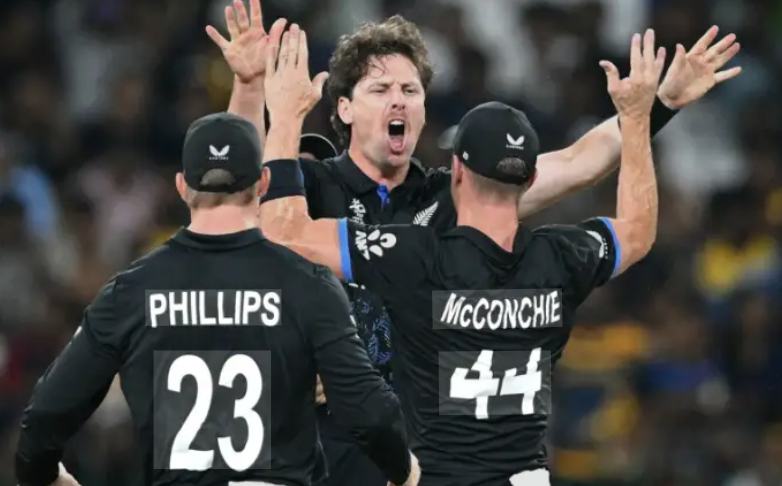
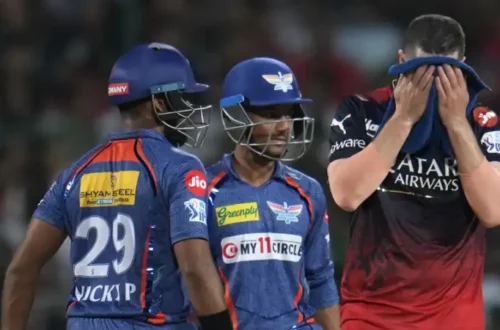
The rivalry between the New Zealand National Cricket Team and the England Cricket Team has grown into one of the most respected contests in modern cricket. From early Test match struggles to thrilling World Cup encounters, both teams have shaped a timeline filled with skill, pressure, and unforgettable moments. England’s traditional strength in home conditions often clashed with New Zealand’s disciplined and resilient approach. Over time, the gap between the sides narrowed, creating a balanced and highly competitive cricketing history. This timeline reflects changing eras, evolving tactics, and iconic performances that defined their journey across formats and generations.
Latest Matches Table
Date
Format
Venue
Winner
Margin
February 27, 2026
T20I
Colombo
England
4 wickets
November 1, 2025
ODI
Hamilton
New Zealand
2 wickets
October 29, 2025
ODI
Hamilton
New Zealand
5 wickets
October 26, 2025
ODI
Mount Maunganui
New Zealand
4 wickets
October 23, 2025
T20I
Auckland
No Result
Rain abandoned
October 20, 2025
T20I
Christchurch
England
65 runs
All-Time Head-to-Head Record Table
Format
Matches
England Wins
New Zealand Wins
Draws/Ties/No Result
Test Matches
115
54
14
47
One Day Internationals (ODI)
98
44
48
6
Twenty20 Internationals (T20I)
31
18
10
3
All-Time Batting Leaders Table
Player Name
Team
Matches
Total Runs
Highest Score
Joe Root
England
32
1954
226
Kane Williamson
New Zealand
28
1632
156
Ross Taylor
New Zealand
35
1498
181
Ben Stokes
England
24
1345
182
Harry Brook
England
14
1122
186
All-Time Bowling Leaders Table
Player Name
Team
Matches
Total Wickets
Best Bowling
James Anderson
England
22
84
7/43
Tim Southee
New Zealand
26
76
7/33
Stuart Broad
England
20
72
6/51
Trent Boult
New Zealand
18
62
6/32
Richard Hadlee
New Zealand
12
51
6/26
Early Test Foundations and First Competitive Signs
The early phase of contests between these two cricketing nations was defined by traditional Test match values, where patience and technique played the most important role. One side relied heavily on home advantage in familiar conditions, while the other was still developing its identity in international cricket. The matches often showed a clear gap in experience, yet occasional individual brilliance kept contests alive longer than expected. Seam bowling dominated early encounters, with batters struggling against movement and bounce. Over time, visiting players started adjusting better, showing improved discipline and shot selection. This phase built the emotional base of the rivalry, even if results were one sided at times. Fans slowly began to recognize the potential for a more balanced competition as younger players emerged. Tactical awareness also started evolving, with captains experimenting with field placements and bowling rotations to gain small advantages in long formats.
Matches
Format
Key Strength
Dominant Factor
Early Tests
Test
Seam Bowling
Home Conditions
Initial Tours
Test
Batting Defense
Swing Movement
Transitional Phase
Test
Emerging Talent
Experience Gap
Late Early Era
Test
Tactical Experiment
Pitch Adaptation
Rise of Competitive Balance and Structural Growth
As cricket structures improved in the later decades, the gap between the two sides started to reduce significantly. Domestic systems began producing more technically sound players who could handle pressure in overseas conditions. One team developed a strong reputation for disciplined fast bowling, while the other focused on building resilience in batting under challenging situations. Matches became more competitive, with longer sessions of balanced play rather than one sided dominance. Fielding standards also improved noticeably, changing the intensity of contests. Coaching methods became more analytical, introducing video review and data based preparation. This shift allowed players to better understand opposition weaknesses and adapt accordingly. The emotional intensity of matches increased as well, with tighter finishes and closer score differences becoming more common. Fans began expecting competitive series rather than predictable outcomes, which added pressure on both teams to perform consistently across formats.
Phase
Improvement Area
Impact
Resulting Change
Development Era
Domestic Structure
Player Quality Rise
Balanced Squads
Transition Phase
Batting Technique
Stability Increase
Longer Innings
Growth Stage
Bowling Strategy
Wicket Control
Tighter Matches
Modern Setup
Analytics Use
Tactical Planning
Competitive Series
ODI Expansion and Limited Overs Pressure Evolution
With the introduction and rise of limited overs cricket, the nature of contests changed dramatically. Matches became faster, more aggressive, and heavily dependent on momentum shifts. One side initially adapted quicker to the shorter format, using strong batting depth and power hitting in the middle overs. The other gradually built a reputation for disciplined bowling and sharp fielding. These contrasting styles created highly engaging encounters where small moments decided outcomes. Run chases became more structured, and setting a target required careful planning rather than pure aggression. Death overs bowling also became a key factor, with yorkers and slower deliveries playing crucial roles. Fans witnessed thrilling finishes that often went down to the final over. Tactical innovation became more visible, including flexible batting orders and varied bowling combinations. This era marked a major shift in rivalry intensity as both teams started believing they could win consistently in pressure situations.
Aspect
Early ODI Phase
Mid ODI Phase
Modern ODI Phase
Batting Style
Conservative
Balanced
Aggressive
Bowling Strategy
Standard Lines
Variation Focus
Data Driven
Fielding
Basic
Improved
Elite Level
Match Results
One sided
Close
Unpredictable
World Cup Pressure and Knockout Intensity
Global tournaments brought a completely different level of pressure, where every match carried high stakes and emotional weight. Encounters in these events often became turning points in the broader rivalry narrative. One side frequently relied on experienced tournament players who could handle pressure situations calmly, while the other depended on collective teamwork and adaptability. Knockout matches in particular produced dramatic momentum shifts, where early breakthroughs or sudden batting collapses changed the entire direction of games. Tactical decisions such as batting first or chasing under lights became crucial. Fans across both nations engaged deeply, creating a charged atmosphere around every encounter. Media coverage amplified expectations, turning matches into national talking points. The emotional intensity of these games often exceeded bilateral series due to their do or die nature. Some matches are remembered not just for results but for individual performances under extreme pressure.
Tournament Stage
Pressure Level
Key Factor
Match Outcome Pattern
Group Stage
Medium
Consistency
Balanced Wins
Quarter Finals
High
Experience
Narrow Margins
Semi Finals
Very High
Mental Strength
Momentum Shifts
Finals
Extreme
Execution
Historic Finishes
Tactical Modernization and Data Driven Cricket Era
In the modern phase, cricket strategy evolved significantly due to analytics and performance data. Both teams began using match simulations, player heat maps, and opposition analysis to prepare more effectively. Bowling units focused on precise execution plans for each batter, while batting units worked on strike rotation and boundary optimization. This era reduced unpredictability in some areas but increased strategic depth. Captains played a more analytical role, often adjusting field settings based on real time match data. Fitness standards also improved, allowing players to maintain intensity across formats. The matches became less about raw talent and more about execution under planned systems. Despite this, individual brilliance still played a major role in deciding close contests. Fans appreciated the tactical battles as much as the results, as every over carried a specific plan. This transformation elevated the rivalry into a modern cricketing showcase of skill and intelligence.
Strategy Area
Traditional Approach
Modern Approach
Impact
Batting
Natural Play
Data Driven Shots
Higher Efficiency
Bowling
Fixed Plans
Adaptive Tactics
Better Control
Fielding
Reactive
Proactive Positioning
Fewer Errors
Captaincy
Intuitive
Analytical
Strategic Depth
Emotional Highs and Iconic Finishing Moments
Some of the most memorable matches between these sides are defined not by statistics alone but by emotional intensity and dramatic finishes. Games often swung multiple times, keeping fans engaged until the final delivery. One team became known for calm finishes under pressure, while the other earned respect for fighting back from difficult situations. Last over thrillers, unexpected collapses, and sudden partnerships created unforgettable moments. Players often delivered career defining performances in these matches, becoming part of cricket folklore. Crowd reactions, both in stadiums and across broadcasting platforms, reflected the importance of these encounters. These emotional moments strengthened the rivalry’s identity, making it more than just a sporting contest. Even neutral fans often found these matches gripping due to their unpredictability. The emotional weight of victory and defeat in these games shaped team confidence for future encounters.
Match Type
Drama Level
Key Moment Type
Fan Reaction
Close Finish
High
Last Over
Extreme Excitement
Comeback Win
Very High
Partnership Shift
Shock Response
Low Scoring Game
Medium
Bowling Spell
Tactical Appreciation
High Scoring Game
High
Power Hitting
Celebration
Modern Rivalry Identity and Long Term Competitive Legacy
In the current era, the rivalry stands as a symbol of balanced competition, respect, and high quality cricket. Both teams have developed strong identities shaped by discipline, adaptability, and mental strength. Matches are no longer predictable, with outcomes depending heavily on execution on the day. Home advantage still plays a role, but overseas victories have become more frequent. Leadership from experienced captains has added stability and direction to team performance. Young players entering the setup bring fresh energy and innovation, ensuring the rivalry continues to evolve. Tactical battles are now as important as individual brilliance, making every match strategically rich. Fans now view these contests as high quality cricket spectacles rather than one sided affairs. This long journey has transformed the rivalry into one of the most respected competitive narratives in international cricket.
Era
Characteristic
Competitive Level
Key Influence
Early Stage
One sided
Low
Experience Gap
Growth Stage
Balanced
Medium
Skill Development
Modern Stage
Highly Competitive
High
Strategy and Depth
Current Stage
Elite Rivalry
Very High
Complete Balance
Conclusion
The timeline of encounters between New Zealand and England shows how two cricketing nations evolved into equals through determination and adaptation. What once began as one sided contests transformed into tightly fought battles decided by small margins and individual brilliance. From Test cricket foundations to modern limited overs drama, both teams created moments that shaped global cricket narratives. Their rivalry now stands as a symbol of respect, strategy, and competitive spirit. Every match adds a new chapter, proving that this cricketing relationship continues to grow stronger, more tactical, and more unpredictable with each passing year.