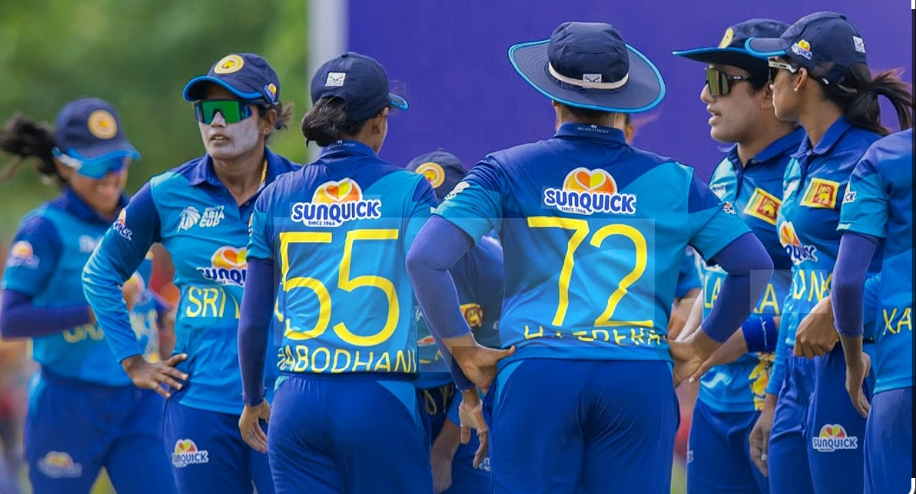
Cricket encounters between these two teams have gradually developed into a compelling narrative shaped by evolving skills, shifting momentum, and growing competitiveness. Early matches highlighted differences in experience and approach, while later contests reflected improved preparation and tactical awareness. Each game contributed to a timeline filled with turning points, individual brilliance, and pressure-driven moments that influenced outcomes. Over time, both sides adapted their strategies, creating more balanced and unpredictable clashes. From batting resilience to bowling discipline, every phase of their meetings added depth to the rivalry, making it an interesting study of growth, adaptation, and competitive spirit in women’s international cricket.
Latest Matches Table
Match Date
Format
Tournament or Series
Winner
Margin or Key Details
17 Oct 2025
ODI
ICC Womens Cricket World Cup
South Africa
Won by 10 wickets
09 May 2025
ODI
Sri Lanka Womens Tri-Nation Series
South Africa
Won by 76 runs
02 May 2025
ODI
Sri Lanka Womens Tri-Nation Series
Sri Lanka
Won by 5 wickets
17 Apr 2024
ODI
Sri Lanka Tour of South Africa
Sri Lanka
Won by 6 wickets
13 Apr 2024
ODI
Sri Lanka Tour of South Africa
South Africa
Won by 7 wickets
09 Apr 2024
ODI
Sri Lanka Tour of South Africa
No Result
Abandoned due to rain
03 Apr 2024
T20I
Sri Lanka Tour of South Africa
Sri Lanka
Won by 4 wickets
30 Mar 2024
T20I
Sri Lanka Tour of South Africa
Sri Lanka
Won by 7 wickets
27 Mar 2024
T20I
Sri Lanka Tour of South Africa
South Africa
Won by 79 runs
10 Feb 2023
T20I
ICC Womens T20 World Cup
Sri Lanka
Won by 3 runs
All-Time Head-to-Head Record Table
Format
Matches Played
Sri Lanka Wins
South Africa Wins
No Result or Tied
One Day Internationals
25
6
16
3
Twenty20 Internationals
18
5
13
0
Overall Combined Total
43
11
29
3
All-Time Batting Leaders Table
Player Name
Team
Matches
Innings
Total Runs
Highest Score
Batting Average
Chamari Athapaththu
Sri Lanka
38
36
1245
195*
37.72
Laura Wolvaardt
South Africa
24
24
934
184*
46.70
Sune Luus
South Africa
29
26
682
93
29.65
Marizanne Kapp
South Africa
26
23
598
89*
31.47
Mignon du Preez
South Africa
22
20
512
72
28.44
Harshitha Samarawickrama
Sri Lanka
19
18
467
78
27.47
Dane van Niekerk
South Africa
17
15
441
71*
36.75
Lizelle Lee
South Africa
15
15
418
84
27.86
Anushka Sanjeewani
Sri Lanka
21
18
312
46
19.50
Chloe Tryon
South Africa
22
17
298
68
21.28
All-Time Bowling Leaders Table
Player Name
Team
Matches
Overs Bowled
Total Wickets
Best Bowling
Economy Rate
Marizanne Kapp
South Africa
26
148.2
34
4/21
3.92
Sune Luus
South Africa
29
124.4
31
5/14
4.45
Ayabonga Khaka
South Africa
21
132.1
28
4/18
4.21
Inoka Ranaweera
Sri Lanka
28
154.0
25
4/39
4.88
Shabnim Ismail
South Africa
19
112.5
24
3/12
3.65
Dane van Niekerk
South Africa
17
98.4
22
4/15
3.51
Masabata Klaas
South Africa
18
96.0
19
3/22
4.67
Sugandika Kumari
Sri Lanka
22
114.2
18
3/24
5.12
Kavisha Dilhari
Sri Lanka
17
88.5
16
3/41
5.23
Udeshika Prabodhani
Sri Lanka
24
122.1
15
2/20
4.95
Early Encounters and First Competitive Phase
The opening phase of meetings between the two sides reflected a clear contrast in experience, confidence, and execution under pressure. One team entered international fixtures with a structured pace attack and disciplined batting order, while the other relied heavily on spin control and building partnerships slowly. Early matches were often dominated by cautious intent, where both sides focused more on survival than acceleration. Mistakes in shot selection and misfields played a major role in shaping outcomes. As the contests progressed, it became clear that adaptability was the deciding factor. The side that adjusted quicker to pitch behavior and game tempo gained the upper hand. These early clashes laid the foundation of a competitive relationship that would slowly evolve into a more balanced and emotionally charged rivalry over time.
Aspect
Team A Approach
Team B Approach
Match Impact
Batting Style
Defensive buildup
Spin-oriented stability
Low scoring games
Bowling Strategy
Fast seam pressure
Controlled spin attack
Wickets in middle overs
Field Setup
Aggressive close field
Deep defensive coverage
Run restriction focus
Match Tempo
Slow and cautious
Gradual acceleration
Tight finishes
Tactical Contrast and Strategic Identity
As the contests developed further, tactical identity became more visible and defined. One side leaned heavily on pace variations and short-ball tactics, aiming to disrupt rhythm early. The opposing team countered with calculated strike rotation and patience in building innings. Captains played a crucial role in shaping momentum through bowling changes and field adjustments. Decision-making during powerplay overs often determined the direction of the match. Misreading pitch conditions sometimes led to unexpected collapses, while smart adaptability resulted in commanding victories. Both teams began studying each other closely, leading to more refined strategies. This phase marked the transition from simple competition to a more thoughtful and analytical form of cricket where planning mattered as much as execution.
Aspect
Team A Approach
Team B Approach
Match Impact
Powerplay Plan
Aggressive wickets
Safe accumulation
Early momentum shifts
Bowling Rotation
Seam-heavy attack
Spin control focus
Middle overs control
Captaincy Style
Reactive changes
Planned execution
Tactical battles
Scoring Method
Boundary reliance
Strike rotation
Balanced totals
Turning Point Matches and Momentum Shifts
Certain encounters completely changed the perception of dominance between the two sides. These matches were defined by unexpected comebacks, lower-order resistance, and pressure-driven errors. A few games saw one side recovering from difficult starts to post competitive totals, while the other struggled to finish chases despite strong positions. Momentum swings became a defining feature, especially in the final overs where composure mattered most. Fielding lapses and missed chances proved costly, often turning evenly balanced games into decisive outcomes. These turning points created psychological pressure in later meetings, where past collapses influenced decision-making under stress.
Aspect
Team A Performance
Team B Performance
Outcome Effect
Early Innings
Weak starts
Strong buildup
Recovery battles
Middle Overs
Controlled spin use
Wicket bursts
Momentum shifts
Death Overs
Inconsistent finishing
Strong closing spells
Narrow results
Pressure Handling
Mixed response
Improved composure
Match turning points
Batting Duels and Key Player Matchups
Batting performances often decided the direction of these contests, with top-order stability playing a crucial role. One side depended on technically sound anchors who built innings patiently, while the other relied on aggressive stroke makers capable of quick acceleration. Head-to-head battles between key batters and leading bowlers became central to match narratives. Strike rotation, boundary conversion rate, and ability to handle spin under pressure shaped the scoreboard significantly. In several matches, partnerships became match-winning factors, especially when early wickets fell. The ability to rebuild innings after setbacks distinguished winning sides from losing ones.
Aspect
Team A Batters
Team B Batters
Match Influence
Top Order
Steady anchors
Aggressive starters
Setting platform
Middle Order
Recovery focus
Acceleration phase
Score buildup
Strike Rate
Controlled tempo
High impact shots
Run rate changes
Partnerships
Long innings
Fast scoring stands
Match stability
Bowling Evolution and Strategic Adjustments
Bowling units on both sides evolved significantly over time, adapting to pitch conditions and opposition weaknesses. Seam bowlers focused on swing and early breakthroughs, while spin departments controlled scoring in the middle overs. Variations in pace and line became critical tools for breaking partnerships. Captains increasingly relied on match-ups rather than fixed bowling orders. This analytical approach led to more strategic overs where bowlers were used specifically against weaker batters. Execution in death overs improved gradually, with yorkers and slower deliveries becoming key weapons. However, inconsistency still played a role in determining outcomes.
Aspect
Team A Bowlers
Team B Bowlers
Impact Area
Powerplay
Swing attack
Spin introduction
Early wickets
Middle Overs
Pace variation
Tight spin control
Run restriction
Death Overs
Mixed accuracy
Slower ball tactics
Final score control
Strategy
Match-ups focus
Defensive planning
Tactical balance
High Pressure Tournament Clashes
Global tournaments brought a different level of intensity, where every ball carried significance. Matches in ICC events often saw tighter field settings, cautious batting starts, and increased pressure on captains. Nervous energy influenced decision-making, leading to unexpected collapses or surprise recoveries. Teams that handled pressure moments better often emerged victorious, regardless of pre-match form. Close finishes became a recurring theme, especially in matches decided in the final over or last wicket scenarios. These encounters significantly shaped the rivalry’s reputation on the world stage.
Aspect
Team A Response
Team B Response
Tournament Effect
Pressure Start
Slow buildup
Aggressive intent
Early tension
Middle Phase
Controlled play
Risk-based scoring
Balanced contests
Final Overs
Inconsistent execution
Strong finishes
Close results
Decision Making
Cautious tactics
Bold strategies
Match defining
Modern Era Development and Competitive Balance
In the modern phase, the gap between the two sides has narrowed significantly. Improved training systems, better fitness standards, and data-driven strategies have elevated overall performance levels. Younger players have introduced fresh energy, making contests faster and more unpredictable. Batting depth has improved on both sides, reducing reliance on top-order performances. Bowling attacks now include more variations, making scoring difficult in key phases. Matches are no longer one-sided but instead reflect a balanced contest where small moments decide outcomes. This era has made the rivalry more engaging and globally relevant.
Aspect
Team A Modern Style
Team B Modern Style
Result Trend
Batting Depth
Strong lineup
Flexible order
Higher totals
Bowling Variety
Mixed pace-spin
Tactical rotation
Competitive games
Fitness Level
Improved endurance
High agility
Longer contests
Match Outcome
Balanced results
Narrow margins
Unpredictable finishes
Conclusion
The journey between these two teams reflects a steady evolution from uneven beginnings to closely contested modern battles. What started as learning experiences gradually turned into high-pressure games defined by small margins and key performances. Both sides have developed stronger batting depth, smarter bowling plans, and improved mental toughness over time. Each encounter added a new layer to the timeline, shaping a rivalry built on adaptation and resilience. Today, their matches represent balanced competition where execution under pressure matters most. This progression highlights how consistent exposure and experience can transform a matchup into a genuinely competitive cricket rivalry.