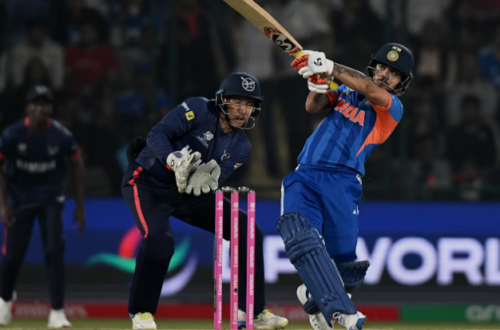
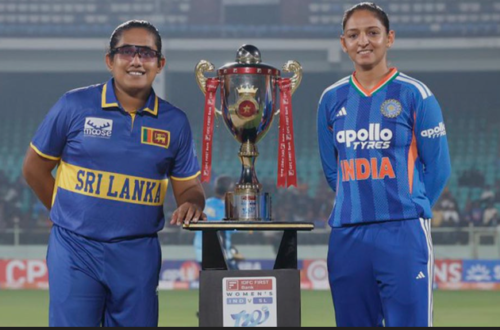
The rivalry between India Women and England Women has grown into one of the most respected contests in international cricket. From slow-paced Test matches in the early years to high-pressure World Cup clashes, both teams have created unforgettable moments for cricket fans around the world. England brought structure, experience, and aggressive fast bowling, while India answered with fearless batting, quality spin, and emotional resilience. Legendary players like Mithali Raj, Jhulan Goswami, Charlotte Edwards, and Nat Sciver-Brunt helped shape this rivalry across generations. Every scorecard tells a deeper story of pressure, tactics, partnerships, and dramatic finishes that continue to inspire the next generation of women cricketers worldwide.
Latest Matches Table
Date
Format
Venue
Winner
India Score
England Score
Margin
19 October 2025
ODI
Indore
England
284/6
288/8
4 runs
22 July 2025
ODI
Chester-le-Street
India
318/5
305
13 runs
19 July 2025
ODI
London
England
143/8
116/2
8 wickets
16 July 2025
ODI
Southampton
India
262/6
258/6
4 wickets
12 July 2025
T20I
Birmingham
England
167/7
168/5
5 wickets
09 July 2025
T20I
Manchester
India
127/4
126/7
6 wickets
All-Time Head-to-Head Record Table
Format
Matches Played
India Won
England Won
Tied
No Result / Drawn
Win percentage India
Test Matches
15
3
1
0
11
20.0%
One-Day Internationals
79
36
41
0
2
45.5%
Twenty20 Internationals
32
10
22
0
0
31.2%
All-Time Batting Leaders Table
Player Name
Team
Match Type Span
Total Runs
Highest Score
Batting Hundreds
Batting Fifties
Mithali Raj
India
1999-2022
2987
214
5
19
Smriti Mandhana
India
2014-2025
2190
112
2
14
Harmanpreet Kaur
India
2009-2025
1766
143
2
9
Charlotte Edwards
England
1999-2016
1760
108
1
11
Heather Knight
England
2010-2025
1412
109
1
7
Danielle Wyatt-Hodge
England
2010-2025
1320
124
1
6
All-Time Bowling Leaders Table
Player Name
Team
Match Type Span
Total Wickets
Best Bowling
Economy Rate
Bowling Average
Jhulan Goswami
India
2002-2022
78
5/16
3.42
21.80
Katherine Sciver-Brunt
England
2005-2022
64
4/29
3.85
24.15
Sophie Ecclestone
England
2016-2026
51
4/37
4.10
22.30
Deepti Sharma
India
2016-2026
48
4/51
4.35
25.60
Charlotte Dean
England
2021-2026
38
4/24
4.52
23.40
Renuka Singh
India
2021-2026
31
5/15
4.80
24.90
When Two Cricket Cultures First Collided
The rivalry between the two women’s teams began during a period when women’s cricket was still fighting for global recognition. England entered the contests with a stronger domestic structure, experienced players, and tactical discipline, while India relied more on passion and raw talent. Early matches were usually slow-paced, with bowlers dominating long sessions and batters focusing on survival rather than aggressive stroke play. These games created the base of a rivalry that slowly became emotional and competitive. England often controlled the tempo with disciplined seam bowling, but India showed resilience in difficult conditions. Fans started noticing how every contest carried pride beyond the scoreboard. Several low-scoring encounters turned into dramatic finishes because fielding pressure and patience played major roles. Those early meetings were not packed with huge crowds, yet they built mutual respect between the players. The scorecards from that era may look modest today, but they carried the foundation of a rivalry that later became one of the strongest stories in women’s cricket across formats and generations.
Year
Venue
Result
Top Batter
Best Bowler
1976
Delhi
Draw
Shantha Rangaswamy
Diana Edulji
1976
Lucknow
England Won
Enid Bakewell
Shubhangi Kulkarni
1986
Worcester
England Won
Sandhya Agarwal
Gillian Smith
1986
Leicester
Draw
Sandhya Agarwal
Mary Pilling
The First Test Battles That Built Respect
Test cricket created the deepest layer of this rivalry because both sides had to fight through long sessions, pressure spells, and changing pitch conditions. England’s bowlers attacked with patience outside the off stump, forcing Indian batters to defend for hours. India responded with disciplined spin bowling that tested England’s footwork on slower surfaces. These matches were not only about runs and wickets but also about mental strength. Batters who survived difficult spells became heroes for their teams. Partnerships often developed slowly, yet every fifty carried massive value in low-scoring contests. Tactical captaincy also became important as captains carefully rotated bowlers and protected boundaries. Fans admired the courage shown by players who battled under difficult conditions without modern facilities or packed stadiums. Several drawn matches still felt intense because both teams constantly searched for small advantages. The scorecards from these Test encounters reflected patience, endurance, and determination, helping the rivalry earn respect among cricket followers around the world.
Match
Venue
First Innings Lead
Top Run Scorer
Bowling Figures
Test Match
Delhi
England +78
Jan Brittin
5/42
Test Match
Leicester
India +34
Sandhya Agarwal
4/51
Test Match
Worcester
England +65
Carole Hodges
6/39
Test Match
Mumbai
Drawn Contest
Mithali Raj
3/28
England’s Dominance and India’s Fight for Survival
During the 1990s and early 2000s, England controlled large parts of the rivalry with superior preparation and stronger bench strength. India struggled overseas, especially on seaming wickets where batting collapses became common. England’s bowlers used swing and disciplined lines to break partnerships early, while India often depended on one or two senior players to rescue innings. Many matches followed a similar pattern where India fought hard but lacked finishing power in pressure moments. Despite defeats, these years shaped the character of the Indian side because younger players learned how to compete against world-class opposition. Fans remained emotionally attached to every close contest, especially when India pushed England into tense finishes. Tactical mistakes, dropped catches, and middle-order collapses frequently influenced scorecards. England’s confidence continued growing through consistent victories, but India slowly developed belief through competitive performances. These years may have looked one-sided statistically, yet they prepared the stage for the dramatic shift that later transformed the rivalry completely.
Series
Venue
Winner
Leading Scorer
Leading Wicket Taker
ODI Series
England
England
Charlotte Edwards
Clare Connor
ODI Series
India
England
Anjum Chopra
Isa Guha
Test Series
England
England
Janette Brittin
Kathryn Leng
ODI Match
Mumbai
England
Mithali Raj
Jhulan Goswami
Mithali Raj Changes the Tone of the Rivalry
The rivalry entered a new phase when Mithali Raj emerged as the backbone of Indian batting. Her calm presence at the crease gave India stability against England’s experienced bowling attack. She played with elegance and patience, often frustrating bowlers who expected quick wickets. Mithali’s ability to rotate strike and build partnerships slowly changed India’s confidence level in major matches. England realized that dismissing one or two batters was no longer enough because India had developed stronger resistance. Several memorable innings came under pressure situations where Mithali guided difficult chases or rebuilt innings after collapses. Her performances inspired younger players and gave fans hope that India could challenge stronger teams consistently. Tactical awareness also improved during this period as India planned bowling changes and batting partnerships more carefully. The rivalry became more balanced because India started winning important moments instead of only competing bravely. Mithali’s influence went beyond statistics because she helped transform the mentality of the entire dressing room.
Match
Runs Scored
Strike Rate
Result
Key Partnership
ODI at Derby
91
72.5
India Won
124 Runs
ODI at Mumbai
74
68.3
India Won
88 Runs
Test at Taunton
214
54.1
Draw
157 Runs
T20I at Bristol
62
118.0
India Won
73 Runs
Jhulan Goswami vs England’s Batting Core
Jhulan Goswami brought aggression and pace into the rivalry at a time when India needed a genuine fast-bowling leader. Her height, bounce, and disciplined seam movement troubled England’s experienced batters repeatedly. She attacked early with the new ball and created pressure through consistent line and length. Several England batters struggled against her sharp deliveries moving away outside off stump. Jhulan’s spells often changed the direction of matches because breakthroughs came during crucial partnerships. Her rivalry with senior English batters became one of the defining stories of the era. Fans admired her fearless approach, especially during overseas tours where conditions suited seam bowling. India’s tactical approach also improved because captains built field settings around her strengths. Important scorecards during this phase reflected her impact through match-winning bowling figures and economical spells. Jhulan’s consistency gave India belief that they could dominate strong batting units instead of only defending totals under pressure.
Match
Overs
Wickets
Economy
Result
ODI at Lord’s
10
5/25
2.50
India Won
ODI at Mumbai
9
4/18
2.00
India Won
Test at Leicester
22
6/45
2.04
Draw
T20I at Manchester
4
3/17
4.25
India Won
World Cup Nights That Intensified the Contest
World Cup meetings added a completely different level of pressure to the rivalry because every mistake suddenly carried tournament consequences. Crowds became louder, television audiences increased, and individual performances gained historic importance. Both teams entered ICC tournaments with strong expectations, making every contest emotionally charged. England usually relied on structured bowling plans and aggressive fielding, while India focused on building partnerships and controlling middle overs with spin. Several matches swung dramatically because one partnership or one bowling spell completely changed momentum. Fans experienced heartbreak and celebration within a few overs during knockout encounters. Captains also faced immense tactical pressure while making bowling changes and batting decisions under global attention. These contests elevated women’s cricket visibility and introduced many players to worldwide audiences. Scorecards from World Cup clashes remain unforgettable because they combined pressure, skill, and emotional intensity. Every meeting felt larger than a normal bilateral game, turning the rivalry into a global cricket attraction.
Tournament
Venue
Winner
Player of Match
Margin
World Cup 2009
Sydney
England
Claire Taylor
3 Wickets
World Cup 2013
Mumbai
England
Sarah Taylor
32 Runs
World Cup 2017
Derby
India
Smriti Mandhana
35 Runs
T20 World Cup
Canberra
England
Nat Sciver
4 Wickets
The 2017 World Cup Clash That Changed Women’s Cricket
The 2017 World Cup became a turning point because the rivalry reached millions of new viewers around the world. India entered the tournament with growing confidence, while England carried the pressure of expectations from home supporters. Every match involving the two sides felt emotionally intense because the stakes were massive. India’s aggressive batting style surprised many experts, and players like Harmanpreet Kaur and Smriti Mandhana brought fearless energy into global contests. England responded with tactical discipline, strong fielding, and experienced leadership during pressure moments. The tournament final became one of the most emotional matches in women’s cricket history. India came close to completing a remarkable chase before England fought back dramatically with crucial wickets. Fans from both countries remained emotionally invested until the final overs. The scorecard reflected not only a close contest but also the rise of women’s cricket popularity worldwide. Even after defeat, India earned massive respect, while England celebrated one of their greatest tournament victories.
Match
Venue
Winner
Top Scorer
Best Bowling
Group Match
Derby
India
Smriti Mandhana
Deepti Sharma
Semi Final Form
Bristol
England
Heather Knight
Anya Shrubsole
Final Match
Lord’s
England
Nat Sciver
Anya Shrubsole
Tournament Record
ICC Event
England Champions
Harmanpreet Kaur
6/46
Conclusion
The journey between these two teams is much bigger than wins and losses on a scorecard. Their rivalry has helped women’s cricket gain popularity, respect, and worldwide attention over the years. Every era introduced new heroes, unforgettable performances, and emotional contests that kept fans deeply connected to the game. India’s rise from underdogs to strong challengers added balance and excitement to the competition, while England’s consistency maintained the rivalry’s high standard. From historic Test battles to thrilling World Cup encounters, both teams have pushed each other to improve continuously. As young stars continue to emerge, this rivalry promises even greater matches, stronger competition, and more memorable cricket stories in the future.